Losing Your Best Friend Dog
You’re not alone-losing your dog hurts so deeply because they’re family, not just a pet, bonded through daily walks, shared meals, and unconditional love that boosts oxytocin like parent-child ties. Grief is normal, even expected, with 75% of owners feeling it as strongly as human loss. Honor their memory with a memorial stone, scrapbook, or donation to a senior dog rescue, and talk openly about them. There’s support available, and healing starts by remembering with love.
We are supported by our audience. When you purchase through links on our site, we may earn an affiliate commission, at no extra cost for you. Learn more. Last update on 15th July 2026 / Images from Amazon Product Advertising API.
Notable Insights
- Losing a dog feels like losing a family member due to deep emotional bonds and shared daily routines.
- Grief is valid; allow yourself to feel sadness, guilt, or anger without judgment after your dog’s death.
- Honor your dog’s memory with a scrapbook, garden stone, or donation to a meaningful animal cause.
- Avoid clichés like “get another dog”; instead, acknowledge the loss and invite sharing about their pet.
- Dogs can grieve too; maintain routines and offer comfort to support them after a companion’s loss.
Why Losing a Dog Feels Like Losing a Family Member
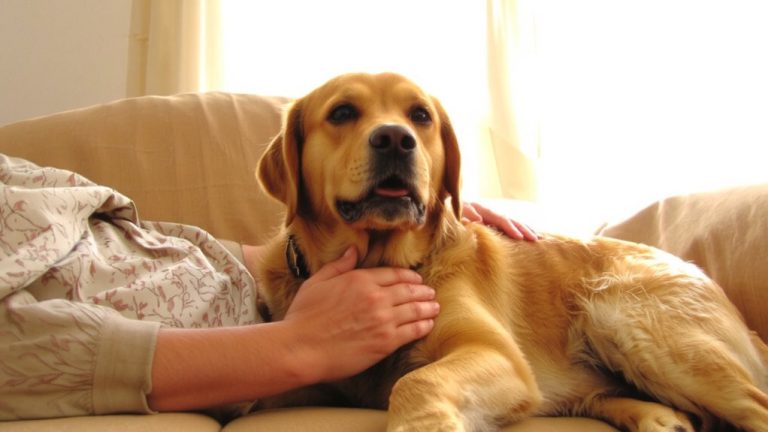
While it might seem like just a pet, your dog has likely earned a place at the heart of your family through years of loyalty, daily walks, and quiet moments on the couch, all of which deepen the bond in ways that mirror human relationships. Your dog isn’t just a pet-they’re a family member, offering unconditional love that studies link to oxytocin release, the same bonding hormone from parent-child relationships. They’re your Best Friend through life’s shifts, present in routines like morning feedings, evening jogs, and weekend play sessions. That’s why losing a dog triggers a grieving process as intense as losing a human loved one-85% of owners see pets as kin, and 75% report comparable grief. The depth of connection isn’t fabricated; it’s biological, emotional, and daily reinforced through behavior, nutrition, and shared time. You’re not overreacting-your dog earned every bit of that heartspace.
How to Cope With Your Dog’s Death
You’ve shared walks, meals, and quiet evenings with your dog, building a bond that sits just as deep as any family connection, and when that presence suddenly fades, the grief can feel overwhelming. Losing your best friend-your animal companion-can trigger deep sadness, guilt, or even anger, especially if you had to say goodbye due to illness or age. This pet loss is real and valid. Talking with others who understand, creating a scrapbook, or holding a small ceremony can honor your dog’s memory. Grief doesn’t just disappear; it shifts, sometimes returning on adoption anniversaries or birthdays. Seek support from grief resources like the MGH Clay Center or peer groups. Don’t rush to replace your dog. Each animal companion is unique. Consider donating to an animal shelter or fostering later, when you’re ready. Healing isn’t about forgetting-it’s about remembering with love.
What to Say to Someone Who Lost a Pet?
When someone you care about loses a pet, saying the right thing can feel uncertain, but acknowledging the loss honestly makes a real difference. Say, “I’m so sorry about your dog,” instead of staying silent-this simple phrase counters isolation. Your friend’s animal was family, not just a pet, so validate that bond by saying, “Your dog was one of a kind.” That recognition matters, because studies show human-animal connections run as deep as with people. Avoid clichés like “You can get another dog”-no animal replaces one so loved. Don’t shift focus to your own story; instead, offer, “This must be so hard,” and let them lead. One powerful phrase? “Tell me about your dog.” It invites remembrance, supports healing, and honors the pet’s lasting place in the family.
Helping Your Dog Through Pet Loss
Losing a pet doesn’t just affect people-your dog might grieve too, showing signs like skipping meals, sleeping more than usual, having accidents indoors, or becoming unusually clingy or withdrawn after the death of a furry companion. Even though it’s tough, stick to a consistent routine-dogs thrive on predictability, and that stability helps them heal. Offer extra comfort with couch snuggling, gentle walks, or shared spaces your pets enjoyed. Check in with your vet to rule out medical causes, especially if appetite loss or lethargy persists. Avoid rushing to get a new dog; your pet needs time to adjust. Another one shouldn’t replace the bond they lost. When you’re ready, involving your dog in choosing the best new friend can ease the shift. Patience, attention, and familiar rhythms are key. Your dog’s grief is real, but with care, they’ll find balance again.
Ways to Honor Your Dog’s Memory
Your dog’s legacy lives on in the quiet moments you remember-the way Peillon bounded through the mountain trails, how Topo Gigio stared wide-eyed at snowfall in Prague, or the goofy head tilt Pepper gave before howling at a distant train. Creating a memorial scrapbook with photos and stories helps friends and family share in your loved one’s journey. Place a personalized garden stone with their name and dates-like those at sanctuaries honoring dogs such as JC-to mark their place in your heart. Donate to a cause tied to their life, like senior dog rescue for a dog like Tiny, who became one of the best companions in old age. Light a candle on their birthday or crossing day, and write a letter expressing what you miss most. These acts can bring peace before welcoming another pet, letting healing move forward without forgetting.
When Grief Over Your Dog Becomes Too Much
Though the bond you shared with your dog was full of joy, it’s no surprise the grief after their passing can feel overwhelming, especially if you’re already managing anxiety or depression. Grief over losing a dog isn’t just emotional-it can trigger clinical symptoms, particularly after sudden or traumatic deaths like a car accident. You might feel guilt, nightmares, or hypervigilance, and without societal validation, isolation can deepen. Youth may withdraw, act out, or struggle in school. When grief becomes unmanageable, it’s not a sign of weakness-it’s a signal to seek help. Professional counseling, such as resources from the MGH Clay Center, would bring clarity and coping strategies. While getting another dog feels like a solution, rushing can complicate healing. Allow your grief space. Support, patience, and expert guidance would bring balance back-grief is love with nowhere to go, and healing starts when you let it be seen, heard, and tended to.
On a final note
You’re not alone, and your grief matters. Losing your best friend changes your daily routine, but honoring their life keeps their spirit close. Stick to a consistent feeding schedule with high-quality protein, like Blue Buffalo Life Protection Formula, and watch portion sizes-8 oz per 20 lbs of body weight daily keeps most dogs in ideal condition. Walk 30 minutes twice a day, monitor behavior shifts, and call your vet if appetite drops more than 24 hours. Grief passes differently for everyone, but care, routine, and memory help heal both you and any pets still relying on you.