Best Pet for a Classroom
You’ll find guinea pigs, bearded dragons, or fish are your best classroom pets. Guinea pigs are social, gentle, and need daily handling, vitamin C-rich food, and same-sex pairs. Bearded dragons require a dry habitat with UVB lighting and basking zones at 95–105°F. Fish teach nitrogen cycling and need cycled tanks (3–4 weeks prep). All need consistent care-even holidays. There’s more to learn about matching the right pet to your classroom’s routine.
We are supported by our audience. When you purchase through links on our site, we may earn an affiliate commission, at no extra cost for you. Learn more. Last update on 19th July 2026 / Images from Amazon Product Advertising API.
Notable Insights
- Fish are ideal for classrooms due to low maintenance, safety around children, and educational value in biology and chemistry.
- Guinea pigs foster empathy through daily interaction, require companionship, and need a vitamin C-rich diet for proper health.
- Bearded dragons are low-maintenance reptiles that teach habitat design and require UVB lighting and controlled basking temperatures.
- Consistent, year-round care is essential, including weekends and holidays, particularly for guinea pigs and fish.
- Avoid high-risk pets like birds and ferrets due to zoonotic diseases, biting, or complex environmental needs unsuitable for classrooms.
Top 5 Best Classroom Pets for Learning
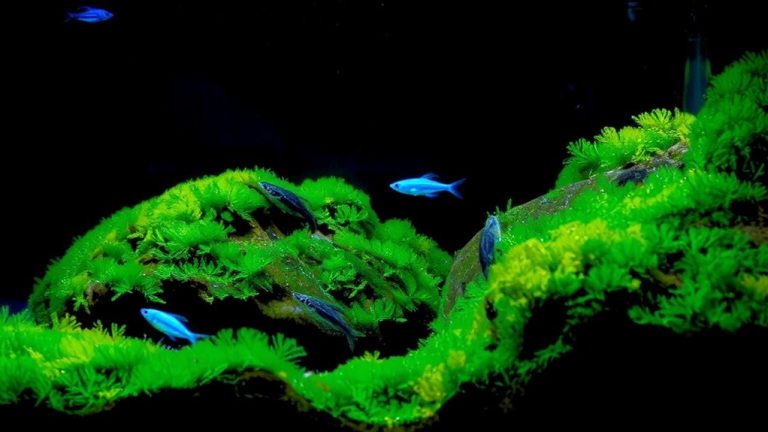
You’ll find fish topping the list as the most common classroom pet, and for good reason-they’re not only calming to watch but also a solid tool for teaching key science concepts like nitrogen cycling and water chemistry. Monitoring water quality, temperature and humidity helps students grasp ecosystem balance, turning routine care into immersive learning experiences. Small mammals like guinea pigs are easy to handle and encourage empathy, daily interaction, and lessons in nutrition-don’t forget their need for vitamin C. Hamsters teach habitat design and feeding schedules, though their nocturnal nature means observations are best timed. Bearded dragons offer reptile care practice with low maintenance demands, provided UVB lighting and basking zones (95–105°F) are set. Axolotls, with regenerative biology and stable cool-water needs (60–68°F), deepen inquiry-based learning. Each pet supports hands-on learning, building responsibility through consistent, informed care.
Watch Out for These Classroom Pet Risks
While some animals may seem like natural fits for classroom life, many come with hidden challenges that can compromise both student safety and animal welfare. You might think ferrets are fun, but they can bite, even when playing, and their musky odor lingers in the classroom environment as well. Watch out for birds too-they carry health risks, like zoonotic diseases, the CDC warns, making them risky for Pets in the Classroom. Chickens need warming lamps 24/7, but you can’t safely keep them on over breaks. Rabbits stress easily in busy classrooms and need a quiet, suitable environment, not small cages. Lizards aren’t as easy to care for as they seem-temperature drops during weekends can be deadly. You’ve got to make sure any pet you take care of won’t suffer or endanger kids. Always take care to balance animal needs with your classroom’s reality.
Match the Right Pet to Your Classroom
Choosing the right classroom pet means aligning the animal’s needs with your daily routine and environment, so it thrives while enriching students’ learning. If you can maintain a warm, dry habitat with proper UVB lighting, a bearded dragon makes a hardy, low-noise classroom pet. Guinea pigs, gentle and social animals, need daily handling, same-sex companionship, and a varied diet rich in vitamin C-ideal for younger students. For calm engagement, fish in the classroom teach water chemistry and responsibility, but plan ahead: cycle the tank 3–4 weeks prior. Rats are intelligent, social animals great for interaction, while hamsters may sleep during school hours. Your classroom environment must support consistent care-Guinea pigs and fish need stable conditions year-round. Match the pet to your real capacity, not just the idea, and you’ll create a rewarding, educational experience built on routine, not rescue.
What Caring for a Classroom Pet Really Takes
When you bring a pet into your classroom, you’re not just adding a cute companion-you’re committing to its entire life, which means daily care, even over weekends, holidays, and summer breaks. Pet Care isn’t just feeding; it includes water changes, monitoring eating habits, and ensuring vitamin C for species like guinea pigs. A classroom pet needs a secure, species-appropriate habitat-solid-bottom cages for rats, proper humidity, and temperature control. You’re responsible for regular health checks, annual vet visits, and unexpected medical costs. Things to reflect on include zoonotic risks, student allergies, and supervised handling to maintain hygiene. Choosing a classroom pet affects hands-on learning, so plan for care during breaks and create routines that teach responsibility. This commitment shapes both animal welfare and student experience.
Traits of a Safe, Low-Maintenance Classroom Pet
Though some classroom pets demand intensive care, the right choice can be both safe and surprisingly low-maintenance, letting you focus on teaching rather than constant upkeep. A good pet should be gentle by nature, easy to care for, and safe around kids. Guinea pigs are social, low-maintenance, and need daily handling and vitamin C-rich food, making them ideal for interaction. Bearded dragons are low-maintenance reptiles that make great observation pets; just keep in mind they need UVB lighting and a warm, dry habitat. Fancy rats are highly intelligent, bond well, resist biting, and thrive in pairs with chew sticks and a secure, solid-bottom cage. Fish are easy, safe options that teach biology through water cycling, though hamsters are less ideal due to inactivity during school hours.
Funding for Your Classroom Pet
If you’re setting up a permanent classroom pet, securing financial support can make the process much easier, and the Pets in the Classroom grant is one of the most reliable options available. This classroom grant offers up to $100 in grant funding for your classroom pet’s initial setup, with renewal grants of $50 yearly. To qualify, you’ll need to choose an eligible classroom pet-like fish, guinea pigs, or hamsters-and complete the grant application online. Grant eligibility requires a school email, proof of approval, and commitment to proper housing and care. The Pets in the Classroom grant program has supported over 10,000 teachers, making it a trusted resource.
| Pet Type | Setup Cost | Commonly Funded? |
|---|---|---|
| Goldfish | $90 | Yes |
| Guinea Pig | $100 | Yes |
| Hamster | $85 | Yes |
| Hermit Crab | $70 | No |
On a final note
You’ve got this-pick a pet that’s low-maintenance, like a leopard gecko or betta fish, and stick to a consistent feeding schedule, clean habitat, and proper nutrition, like calcium-dusted crickets or high-quality flakes. Monitor behavior daily; lethargy or loss of appetite means it’s vet time. With a 10-gallon tank, reliable heater, and simple enrichment, your class stays engaged, learning responsibility hands-on, and the pet stays healthy, happy, and safe.