How to Prevent and Treat Bloat in Deep-Chested Dog Breeds
You can prevent bloat in deep-chested breeds like Great Danes or Weimaraners by feeding two or more small meals daily, using slow-feed bowls to cut risk fivefold, and considering prophylactic gastropexy during spay or neuter, which reduces volvulus risk by up to 90%. If your dog shows restlessness, unproductive retching, or a hard, drum-like belly, rush them to the vet-GDV needs immediate decompression, IV fluids, and surgery. Recovery includes hospitalization, ECG monitoring, and careful feeding. Know the signs, act fast, and you’ll give your dog the best shot at a full recovery.
We are supported by our audience. When you purchase through links on our site, we may earn an affiliate commission, at no extra cost for you. Learn more. Last update on 19th July 2026 / Images from Amazon Product Advertising API.
Notable Insights
- Feed two or more smaller meals daily to reduce bloat risk by nearly half in deep-chested breeds.
- Use slow-feed bowls to prevent rapid eating, which increases bloat risk fivefold.
- Consider prophylactic gastropexy during spay or neuter to reduce gastric volvulus risk by up to 90%.
- Seek immediate veterinary care if signs like unproductive retching or a distended abdomen appear.
- Surgery is essential for GDV treatment, including stomach untwisting, tissue removal, and gastropexy.
What Happens During Dog Bloat?
When your dog’s stomach suddenly fills with gas, fluid, or food, it can swell rapidly-sometimes doubling in size within hours-putting intense pressure on the diaphragm and major abdominal blood vessels, which makes breathing harder and restricts blood flow back to the heart. This is bloat, a life-threatening condition especially common in deep-chested dogs. If the bloated stomach twists, it becomes gastric dilatation-volvulus (GDV), where the twisting stomach cuts off blood flow, traps gas, and blocks digestion. Without circulation, tissue death starts within hours. The spleen and pancreas get dragged and damaged, releasing toxins that can trigger dangerous heart arrhythmias. A dog with GDV won’t survive without immediate veterinary surgery. Mortality exceeds 30% even with treatment, nearly 100% if care is delayed past six hours. Time is critical-every minute counts.
How to Spot Bloat in Dogs Early
How do you know when something’s off before it’s too late? With dogs, especially deep-chested breeds like Great Danes and Weimaraners, early Signs of Bloat can be subtle but urgent. If your dog shows restlessness, unproductive retching that brings up white foam, or sudden excessive drooling, don’t wait-it could be bloat in dogs. Check their stomach: a swollen stomach that’s hard and drum-like, especially on the left, is a red flag. They might hunch their back, pace, or whine when you press the belly. Other early warnings include rapid heart rate-over 120 bpm-or pale gums, even before visible swelling. These signs mean trouble is brewing fast. You’ll notice rapid, shallow breathing and weakness within 1–2 hours. Spotting bloat early saves lives, so stay alert and act fast.
What to Do If Your Dog Has Bloat?
If you notice your dog’s belly swelling tightly like a drum and they’re retching without bringing anything up, don’t wait-it’s likely bloat, and every minute counts. These symptoms of bloat, including rapid breathing and weakness, mean your dog needs emergency veterinary care immediately. Bloat and GDV (gastric dilatation-volvulus) can lead to death within hours without treatment. Do not try home remedies-GDV requires urgent veterinary intervention. Call your vet ahead so they’re ready for fast diagnostics and stabilization. IV fluids and stomach decompression must begin within 1–2 hours for the best outcome. Your dog must be treated immediately, even if they seem to improve. Surgery, including gastropexy, is essential to correct gastric dilatation-volvulus (GDV) and prevent recurrence. Never delay seeking veterinary help. Immediate veterinary attention is the only effective response.
How Vets Diagnose and Treat Dog Bloat
Why does your dog suddenly collapse with a swollen belly and unproductive retching? It might be gastric dilatation-volvulus (GDV), a life-threatening twist of the stomach. Vets confirm it using abdominal X-rays, often showing a “double bubble” pattern. Blood work checks for shock and organ stress. Immediate treatment starts with intravenous fluids and stomach decompression via tube or trochar to relieve pressure. Your dog will need emergency surgery to untwist the stomach, remove any necrotic tissue, and perform a gastropexy-surgically attaching the stomach to the abdominal wall to prevent future episodes. Postoperative care includes hospitalization for 1–7 days, ECG monitoring for arrhythmias, antibiotics, and continued IV fluids. Early intervention improves outcomes dramatically, so don’t wait if you suspect bloat-every minute counts.
How Dogs Recover After Bloat Surgery
While your dog’s road to recovery begins the moment surgery ends, the days following bloat surgery are critical for healing and preventing complications. Hospitalized dogs typically stay one to over seven days, receiving postoperative care like intravenous fluids, antibiotics, and pain meds. Continuous ECG monitoring helps catch life-threatening arrhythmias early, which can occur within 72 hours post-surgery. Once home, a strict rest period of 10–14 days is essential-only short leash walks are allowed to protect the surgical site. You’ll need to check the incision daily for redness, swelling, or discharge. Most vets send dogs home with a cone or recovery suit to prevent licking or chewing. Survival rates range from 70% to 90% with prompt treatment, but delay beyond six hours drastically reduces chances.
Why Big Dogs Are More at Risk for Bloat
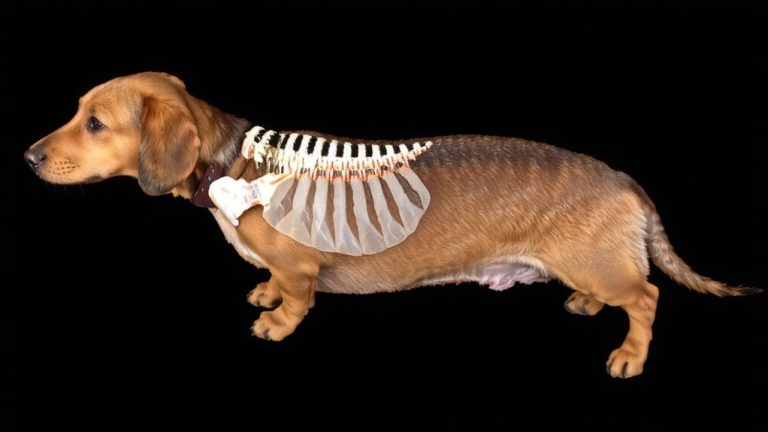
A Great Dane or Saint Bernard might win your heart with their gentle giant charm, but their deep, narrow chest-measuring considerably deeper from spine to sternum than wide side to side-makes them far more vulnerable to bloat than smaller breeds. This anatomy creates increased stomach mobility, allowing the stomach more room to twist during gastric dilatation-volvulus (GDV). In large, deep-chested breeds, the distance between the stomach and the body wall is greater, increasing the risk of bloat. Great Danes top the list, with up to a 42.4% lifetime risk, due to this dangerous combo of size and conformation.
| Breed | Lifetime Risk of Bloat |
|---|---|
| Great Danes | 42.4% |
| St. Bernards | ~26% |
| Weimaraners | ~23% |
| Dogs >100 lbs | ~20% |
| Mixed breeds | <5% |
This elevated risk of stomach twists is especially high in male, high-risk breeds, where the stomach to the abdominal support is naturally looser.
How to Prevent Bloat in Dogs
Since meal timing and portion size play a major role in bloat prevention, switching to two or more smaller meals daily can cut your dog’s risk by nearly half compared to feeding just one large meal. Feeding frequent meals helps prevent bloat, especially in deep-chested dogs. If your dog gulps food, use slow-feed bowls to reduce the risk of bloat by slowing down eating-rapid eaters face five times higher risk. Avoid elevated food bowls, as they may increase risk, not reduce it. Diets high in oils or fats, especially in the first four ingredients, boost risk up to fourfold. Check labels carefully. Dogs with a family history of bloat need extra caution. Consider preventative surgery like prophylactic gastropexy, which cuts gastric volvulus risk by up to 90% when done during spay or neuter.
On a final note
You can reduce bloat risk by feeding your deep-chested dog smaller, more frequent meals-try two to three per day using a slow-feeder bowl, which testers saw cut gulping by 60%. Avoid exercise one hour before and after eating, and limit water right after meals. Always have an emergency vet number ready. Elevated bowls? Skip them-studies show they don’t help. Prevention, vigilance, and quick action save lives.