Best Vitamins for Pregnant Dog
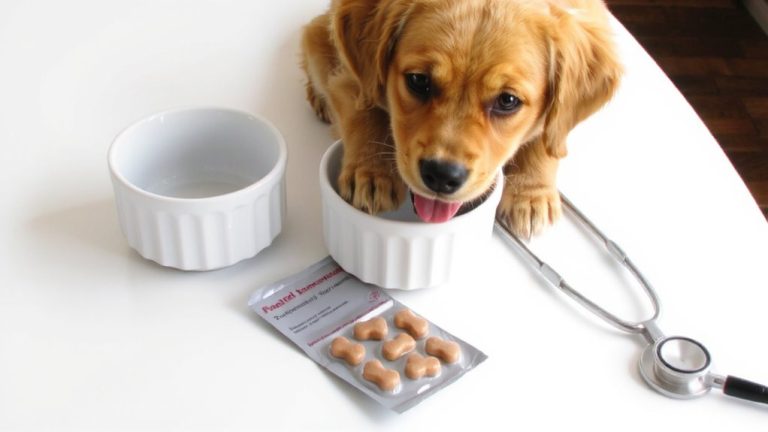
You need to give your dog 5 mg of folic acid daily, starting at the first sign of heat, to prevent neural tube defects and cleft palate, especially in brachycephalic breeds. Skip human prenatal vitamins-they’re unsafe due to toxic ingredients like xylitol and incorrect dosages. Instead, choose a dog-specific supplement like Pregnancy Pro Prenatal Vitamin (SKU: VME-PSTD-60491), formulated with folic acid, calcium, iron, and Omega-3s. Stick to products made in FDA-registered facilities with third-party testing. Keep supplements going post-birth-nursing moms need up to triple the nutrients-and consider adding Breeders Edge Oxy Momma for milk support. Just make sure your food is labeled for “all life stages” so nutrient needs are covered from day one. You’ll find the right balance makes a real difference in litter health and mom’s recovery. There’s more to get right when timing and formulation align perfectly.
We are supported by our audience. When you purchase through links on our site, we may earn an affiliate commission, at no extra cost for you. Learn more. Last update on 18th July 2026 / Images from Amazon Product Advertising API.
Notable Insights
- Choose dog-specific prenatal vitamins with 5 mg folic acid to support early embryonic development.
- Avoid human prenatal vitamins due to toxic ingredients like xylitol and excessive vitamin A.
- Opt for supplements containing folic acid, calcium, iron, and Omega-3s for balanced maternal nutrition.
- Start folic acid supplementation at the onset of heat to prevent neural tube defects.
- Continue prenatal vitamins through lactation to meet increased nutritional demands and support milk production.
Do Pregnant Dogs Need Prenatal Vitamins: Or Just Folic Acid?
So, do pregnant dogs really need prenatal vitamins, or is folic acid enough? If your dog’s pregnancy involves high-quality dog food labeled for “all life stages,” she may get all the necessary vitamins and minerals without extras. These diets support a healthy pregnancy and strong immune system. Still, folic acid is a key supplement-5 mg daily from heat through gestation-especially for brachycephalic breeds, helping prevent neural tube defects like cleft palate. While prenatal vitamins for dogs exist, they’re often unnecessary with proper nutrition. Human prenatal vitamins? Never use them-wrong dosages and ingredients can harm your dog. Always follow veterinary guidance before adding any supplement. Folic acid is water-soluble, so excess is excreted, making it safe when used correctly. With the right dog food and folic acid, supported by your vet, you’re setting up a healthier litter and smoother dog’s pregnancy.
Why Folic Acid Prevents Birth Defects: And How Much to Give
One essential nutrient you won’t want to overlook is folic acid-specifically 5 mg daily-because it plays a key role in preventing serious birth defects during early canine pregnancy. Folic acid, also known as Vitamin B9, supports rapid cell division and DNA synthesis in developing embryos, which are critical during the first weeks of dog pregnancy. It guarantees proper neural tube closure, the structure that forms the brain and spinal cord. Since this process happens within the first 28 days-often before you even confirm pregnancy-starting supplementation at heat is crucial. Early folic acid use helps prevent birth defects like cleft palates, especially in brachycephalic breeds prone to such issues. Because it’s water-soluble, excess is excreted, but always follow veterinary guidance to maintain balance and safety.
When (and How) to Choose a Dog-Safe Prenatal Supplement
When should you start thinking about a prenatal supplement for your dog? Right when she enters heat-begin folic acid (5 mg daily) early to support neural tube development. Once pregnancy is confirmed, choose a dog-safe prenatal supplement like Pregnancy Pro Prenatal Vitamin, packed with essential nutrients including folic acid, calcium, iron, and Omega-3 fatty acids to support both your pregnant dog and her developing puppies. Avoid human vitamins and those with excess fat-soluble vitamins A and D, which can cause harm. Always pick a supplement made in FDA-registered facilities with third-party testing, such as Pregnancy Pro (SKU: VME-PSTD-60491), ensuring purity and potency. Introduce the supplement gradually, starting with a quarter or half dose in food, and pair it with a high-quality “all life stages” diet to balance nutrients. Your dog deserves only the best vitamins-safe, effective, and scientifically backed.
Nutrition Needs After Birth: Feeding the Nursing Mother
A nursing mother dog has one of the toughest jobs around, and her body needs serious fuel to keep up. Her nutritional demands skyrocket-up to three times normal intake-to support robust milk production and maternal recovery. Feeding a nutrient-dense dog’s diet rich in vitamin E, vitamin B, calcium, and iron is essential. These nutrients that support energy metabolism, immune function, and red blood cell production also supports healthy pups. Calcium and iron help prevent depletion and support a healthy shift post-birth. Continue her prenatal multivitamin for at least 8 weeks after whelping to maintain ideal levels. Supplements like Breeders Edge Oxy Momma and Bionic Biotic are formulated to meet these demands, ensuring sustained milk quality and energy. A well-balanced, calorie-rich diet keeps her strong while boosting nutrient transfer to the litter.
5 Dangerous Supplement Mistakes: Like Using Human Prenatals
Many dog owners don’t realize how risky it is to give human prenatal vitamins to pregnant dogs, but the truth is, doing so can cause more harm than good. Human prenatal vitamins often contain excessive iron and vitamin A, leading to vitamin A toxicity, which can cause birth defects like cleft palates in puppies. Your dog’s body processes nutrients differently, so the folic acid dosage in human supplements-usually too high-can disrupt fetal development instead of supporting it. These vitamins also lack key ingredients like AlaskOmega, a source of Omega-3 fatty acids essential for puppies’ cognitive function and eye health. Plus, some human formulas include xylitol or binders toxic to dogs. Always choose a safe and effective, vet-approved supplement designed specifically for canine pregnancy to support strong, healthy puppies from day one.
On a final note
You’ve got this, momma dog-and now you know how to support her. Stick to dog-specific prenatal supplements with 2.5 mg folic acid daily, especially in early pregnancy, to reduce birth defects. Avoid human vitamins-they’re too strong. Feed a high-quality, DHA-rich puppy food during nursing. Real breeders note better litter liveliness when starting supplements early, skipping calcium overload, and focusing on balanced, vet-approved nutrition from day one.